
PEEK Strings
For those adept at polymer science PEEK is a high temperature, engineering grade polymer known as polyetheretherketone. According to the online encyclopedia, Wikipedia, “Polyketones are a family of high-performance thermoplastic polymers. The highly polar ketone groups in the polymer backbone of these materials gives rise to a strong attraction between polymer chains, which increases the material’s melting point. Such materials also tend to resist solvents and have good mechanical properties.”
In layman’s terms, this means that PEEK materials have several physical properties of interest to manufacturers. Specifically, PEEK monofilaments and fibers are very tough and durable, and have excellent abrasion resistance, particularly under extreme conditions. The material’s melting point is 633ºF (334ºC), which is very high for plastic. Its maximum continuous service temperature is 500ºF (260ºC), and short-term service can be up to 570ºF (300ºC). By contrast, PET, polyester, the material typically used for soda bottles and monofilament tennis string, loses strength rapidly as temperatures reach 200°F. Even much vaunted aramid fibers begin to lose strength around 450°F. So PEEK is hot stuff!
In terms of abrasion resistance, PEEK also offers good performance. In tests measuring “thread on thread” abrasion conducted at room temperature, PEEK multifilaments outlasted aramid fibers by a factor of approximately 5.5. PEEK also has very low moisture uptake at 0.1%, which means you don’t need to worry about your racquet string performance in hot and humid conditions. This is why PEEK strings have become so popular in locales closer to the equator.
But perhaps the most interesting application for PEEK-other than racquet strings, of course-is in musical instrument strings. A number of manufacturers now offer PEEK-based violin, guitar, and other musical strings. PEEK monofilament provides a subtle but appreciably fuller tone than other synthetic string materials such as nylon. It also holds tension, so it stays in tune much longer on a guitar or violin than other conventional music strings. So when tennis players say they love the way their PEEK strings sound and how long they play, they have good reason.
In racquet strings, PEEK offers low dynamic stiffness that allows it to deform and recover more completely than other synthetic materials. It can also be made to have exceptionally low creep under continuous tension, allowing racquet strings to maintain tension and playability longer. And as noted previously, the manufacturers continue to improve and “tweak” the material, making it even better for string applications. Recent advances have produced PEEK filaments that are even finer and stronger than before.
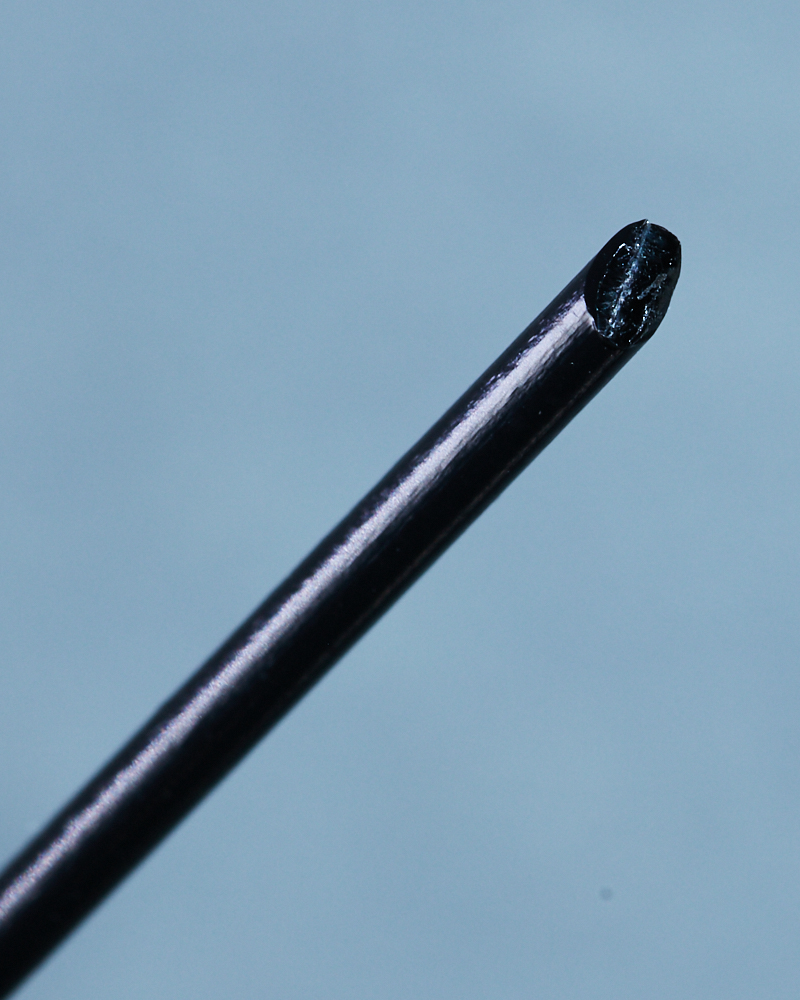
This black PEEK monofilament is the newer version of the PEEK family. Since it is a monofilament, it is smooth and slick and is amazing for spin. This color behaves slightly more like polyester than the natural colored PEEK. Meaning it plays slightly firmer and is a little more dynamic so I think it imparts...
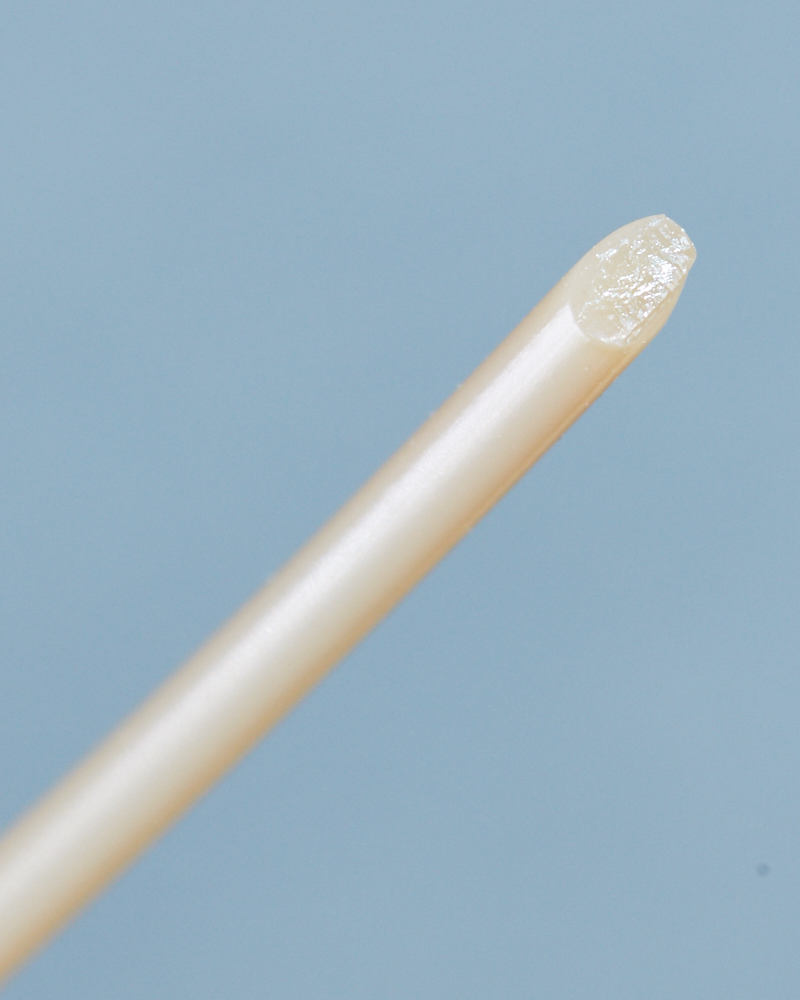
This is the string that started my whole journey. I was in the middle of multiple arm injuries and I needed to find a string setup that didn’t cause more injuries. During my quest I discovered chatter about a string that is as soft as natural gut but as slick as polyester. I had to...